Cyanobacteria toxic algae blooms have become an annual occurrence on Santuit Pond, consistently ruining our enjoyment of the pond from mid-summer into the fall. And since these blooms have plagued the pond for decades, it's hard to imagine the pond ever being full of clear, clean water again.
But I am writing this feeling profound and justifiable optimism. Change is coming.
This autumn, the Town of Mashpee will initiate a vital two-phase aluminum sulfate (alum) treatment designed to reverse decades of nutrient pollution. Combined with the town’s long-term sewer expansion plan, we are looking at the most significant ecological rescue mission in our pond's history.
As a community, we need to understand exactly what this means, what it will look like, and what it asks of us.
The Hope: Lessons from New Kezar Lake
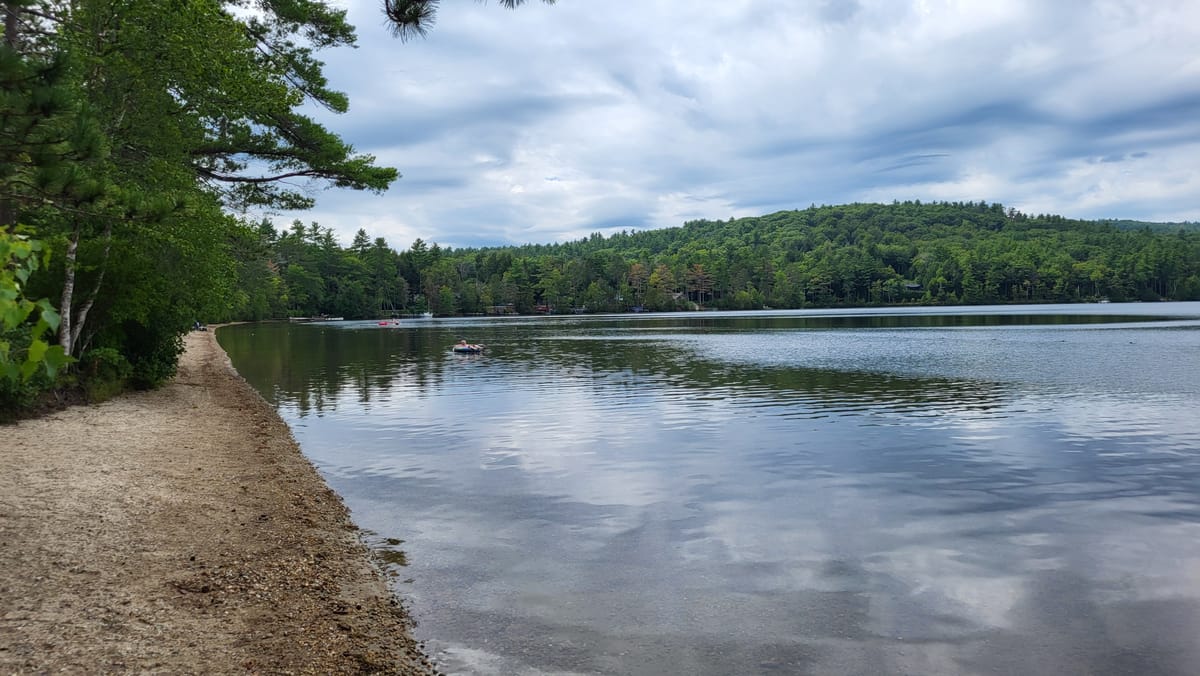
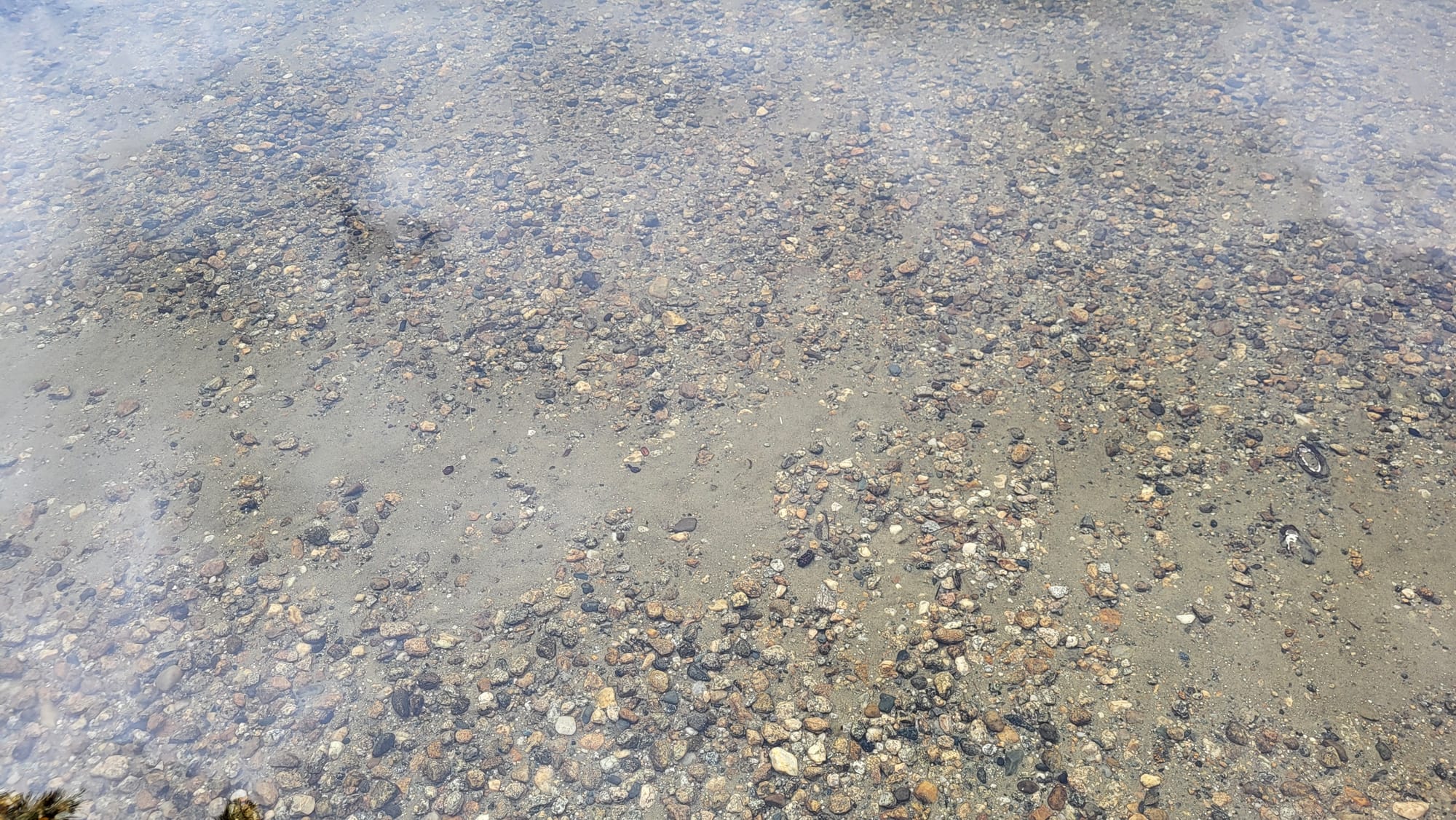
To see what is possible, you only have to look north. In 1984, Kezar Lake in Sutton, New Hampshire became the first lake in New England to try a major alum treatment for severe, toxic algae blooms. It had been experiencing the blooms since 1961, after decades of phosphorus overloading. As expected, the aluminum sulfate introduced into the water bound with the phosphorus, making it unavailable to the algae. Forty-two years after those treatments, families are still swimming in that pond, and enjoying crystal-clear waters. I visited the lake last weekend, and saw for myself what a beautiful resource the people of New Hampshire can enjoy here.
How It Works
When done correctly, an alum treatment works like an invisible blanket. A specialized barge will safely inject a buffered alum solution into the deeper layers of our pond. It forms a fluffy layer on the bottom that acts like a magnet, binding to the excess phosphorus trapped in the mud and locking it down.
Because Santuit Pond is a shallow body of water, our project will use a split-dose strategy. We will receive our first treatment this fall, followed by a second "sealing" layer in the fall of 2027. This dual-phase approach is a proven way to extend the lifespan of the treatment, typically buying a pond anywhere from 10 to 20 years of dramatically improved clarity and safety.
The Reality Check: Alum is a Bridge, Not a Cure
While we should be excited, we must also be realistic. Alum is an incredibly effective tool, but it is not a permanent cure on its own. Think of our pond like an overflowing bathtub. The alum treatment effectively cleans up the water currently inside the tub. However, it cannot stop the faucet from running.
If new pollution keeps streaming into Santuit Pond from the surrounding neighborhoods, those new nutrients will simply settle on top of our new alum blanket, rendering it useless in just a few short years.
The Long-Term Plan
This is where our town's infrastructure comes in. Mashpee is currently rolling out a massive sewer system upgrade. Phase 2 of this project will disconnect roughly 500 septic systems within our immediate watershed - including almost all of the homes on Timberlane Drive - cutting off more than half of the pond's new nutrient loading.
But this is a multi-decade project. There are still about 400 homes near the pond that are not yet confirmed for sewer connection. Their future depends on upcoming town meeting proposals and votes over the next several years.
If you live within a quarter-mile of Santuit Pond's edge, you are the front line of this recovery. Because Cape Cod has sandy, fast-draining soil, the homes closest to the water have an immediate, outsized impact on the pond’s health.
The upcoming alum treatment is a gift of time. It immediately saves our pond from ecological collapse and buys us maybe 15+ years of clean water. But to make that clarity permanent for our children and grandchildren, we as a neighborhood must stay engaged, show up to town meetings, and vote to finish the sewer infrastructure.
Join Us
We formed the Santuit Pond Watershed Association because we believe this pond is worth saving. The science shows it is entirely possible, but it requires a community that is both hopeful and informed.
We will keep you updated every step of the way as the barges arrive this fall. In the meantime, please sign up for updates, learn how you can help minimize runoff on your own property, and join us in protecting our piece of Cape Cod.
With optimism and determination,
John Garvey
Co-Founder, Santuit Pond Watershed Association

Member discussion: